The Kobayashi Maru of Commercial Roofing: How Skipping Bi-Annual Maintenance Voids Your California Warranty
Failing to maintain a commercial roof in California at least twice a year will almost certainly void your manufacturer’s warranty. In the commercial real estate galaxy, a roof warranty is not a blanket insurance policy; it is a legally binding contract that requires active, documented upkeep.
For commercial building owners in California, treating roof maintenance as an optional line item is a gamble of galactic proportions. To put it in terms Captain James T. Kirk would understand: neglecting your bi-annual roof inspections is the financial equivalent of entering the Kobayashi Maru—a no-win scenario. But unlike the famous Starfleet Academy simulation, you cannot reprogram the rules of your manufacturer’s warranty when the bill for a total roof collapse arrives.
Let’s warp into the mechanics of commercial roof warranties, explore the harsh environmental anomalies of California, and look at exactly how skipping your bi-annual maintenance triggers a self-destruct sequence on your coverage.
The Prime Directive of Commercial Roof Warranties
Every starship has its Prime Directive, and every commercial roofing warranty has its foundational law: The Owner Shall Maintain.
When a manufacturer issues a 10, 20, or 30-year warranty on a Thermoplastic Polyolefin (TPO), EPDM, or built-up roofing system, they are not promising that the roof will survive completely untouched by human hands. They are promising that if the materials fail under normal conditions despite proper care, they will cover the cost of repairs or replacement.
The fine print of these warranties explicitly states that regular inspections and preventative maintenance are mandatory. Usually, this means an inspection in the spring (to assess winter damage) and one in the autumn (to prepare for the upcoming wet season).
If you fail to provide documented proof of these bi-annual checkups, the manufacturer will view it as a breach of contract. If a major leak develops or the membrane fails, they will simply point to Section 4, Subsection B of your warranty agreement, channel their inner Mr. Spock, and declare your claim “highly illogical.” The claim will be denied, leaving you to foot a bill that could easily cost hundreds of thousands of dollars.
Why California Weather is a Constant “Red Alert” for Your Roof
Many property owners assume that because California doesn’t routinely face severe Atlantic hurricanes or Midwest blizzards, their roofs are safely cruising in impulse power. This is a dangerous assumption. California’s climate presents unique, aggressive hazards that demand constant monitoring.
1. The Solar Radiation of a Class-M Planet (UV Degradation)
California gets an incredible amount of sunshine. While great for solar panels and beach trips, intense ultraviolet (UV) radiation acts like a slow-burning phaser beam on your roofing membrane. Over time, UV rays bake the plasticizers out of single-ply roofs, causing them to become brittle, crack, and shrink. Bi-annual maintenance catches the early signs of solar degradation before the membrane splits open.
2. Extreme Thermal Shock
In places like the Central Valley, the Inland Empire, or the high deserts, temperatures can swing drastically between day and night. During the day, a dark roof surface can reach temperatures well over 150°F, only to drop into the 50s or 40s overnight. This rapid expansion and contraction is called thermal shock. It puts immense stress on roof seams, flashings, and expansion joints. Without regular inspections, you won’t notice that your flashing has literally pulled away from the wall until water is pouring onto your tenant’s inventory.
3. Atmospheric Rivers and “The Wrath of Kahn” Downpours
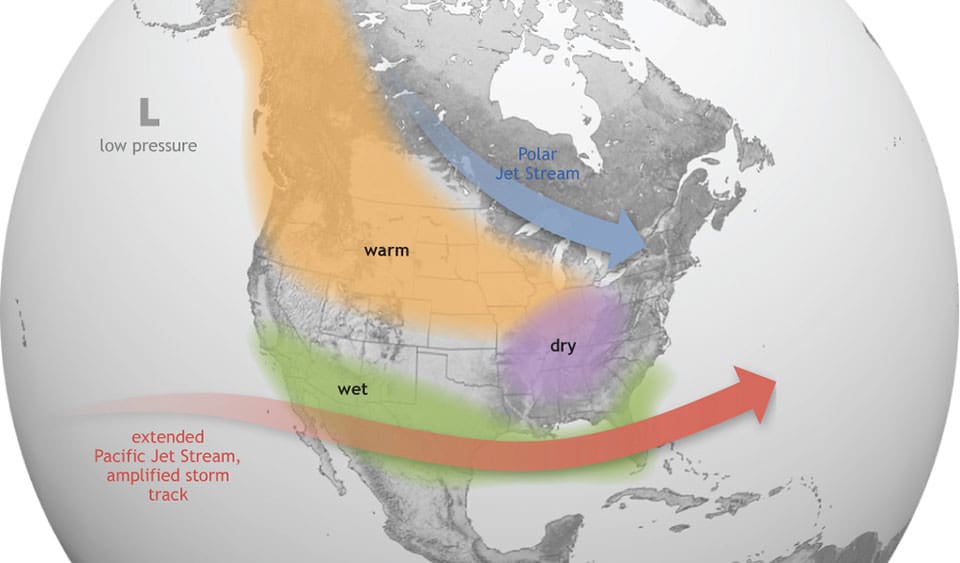
When it rains in California, it doesn’t just drizzle; it delivers atmospheric rivers. These intense storms dump inches of water in a matter of hours. If your bi-annual maintenance was skipped, your drains and scuppers might be clogged with debris, leaves, or even nesting birds. When an atmospheric river hits, your roof turns into a swimming pool. The structural beams of a commercial building are not designed to hold thousands of gallons of standing water. The result? Total structural failure.
The Anatomy of a Voided Warranty: What Happens During a Claim
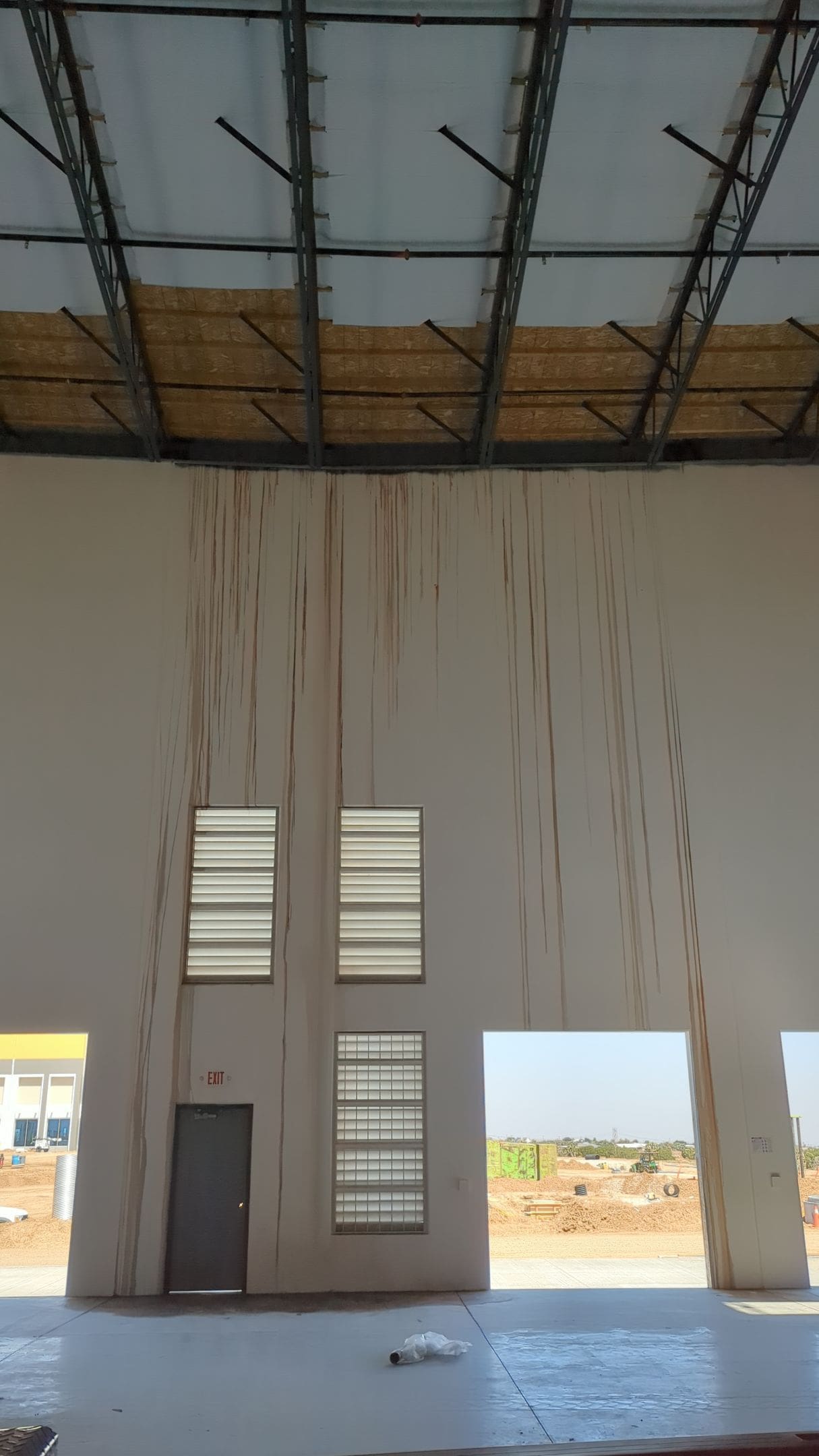
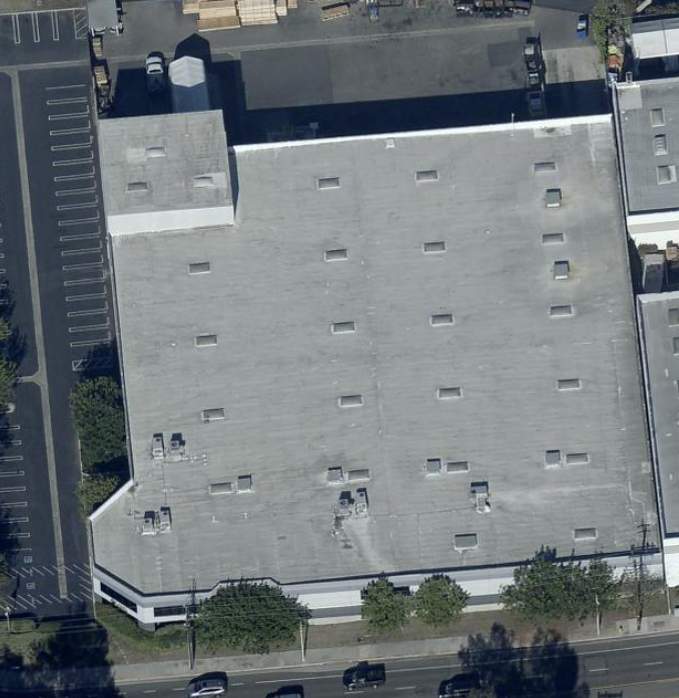
Let’s look at a realistic scenario. Imagine you own a 50,000-square-foot warehouse in Los Angeles. You skipped your bi-annual maintenance for three years straight because you wanted to save a few thousand credits. Suddenly, a massive winter storm hits, and a major leak opens up, ruining a tenant’s expensive electronics.
You confidently call the roofing manufacturer to file a warranty claim.
The manufacturer will send a certified inspector to your building. This inspector is trained to act like a forensic investigator. They can tell immediately if a leak was caused by a material defect or by long-term neglect. They will look for:
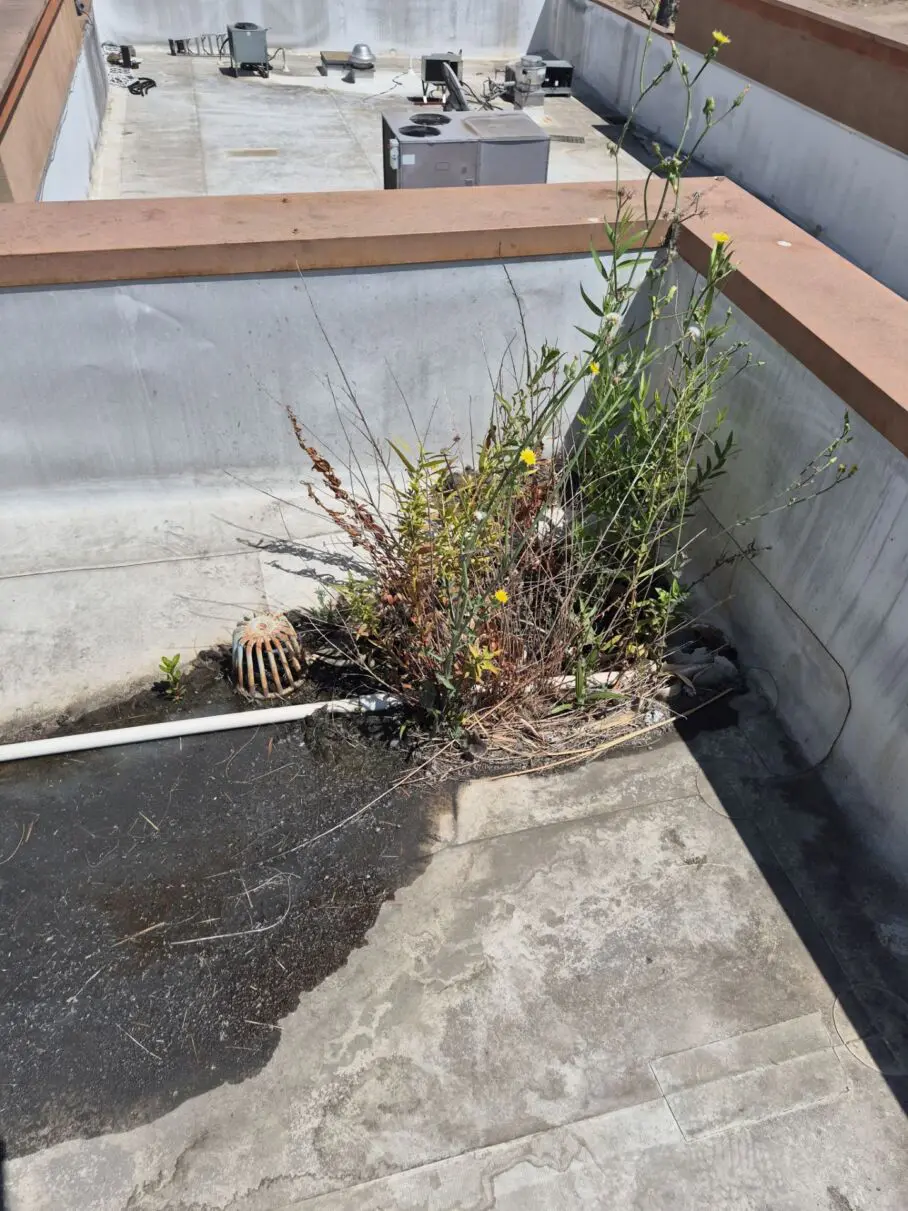
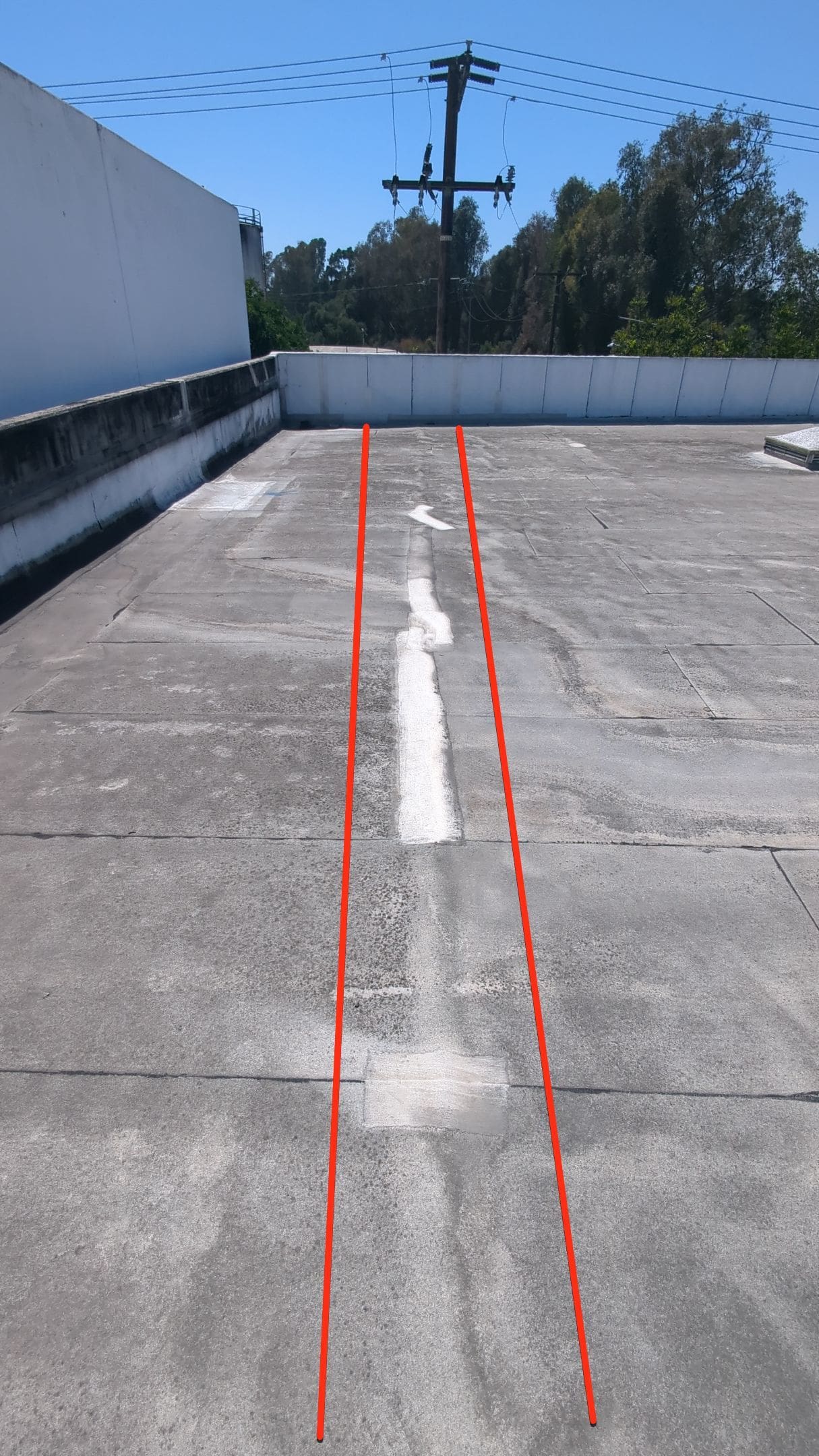
Clogged Drains: If they find standing water (ponding) that has been sitting for more than 48 hours, your warranty for that section of the roof is dead. Most warranties explicitly exclude damage caused by ponding water resulting from poor drainage maintenance.
Unaddressed Physical Damage: If a technician walked on your roof to service an HVAC unit and accidentally dropped a sharp tool panel, creating a puncture, that is human error. If that puncture is left unsealed for a year, it rots the insulation underneath. The manufacturer will not pay to fix a problem that started with a dropped tool and grew due to owner neglect.
Lack of Documentation: Even if the roof looks okay to the naked eye, the sheer absence of signed maintenance logs from a licensed roofing contractor gives the manufacturer the legal right to void the contract.
In the roofing sector, the burden of proof is entirely on the building owner. If you cannot prove you maintained it, you do not have a warranty.
The Financial Fallout: It’s Worse than a Warp Core Breach
When your roof warranty is voided, the financial consequences ripple across your entire commercial real estate operation. It is not just about the cost of fixing a leak; it is a systemic failure of your asset.
Let’s contrast the Risk Factor. Contrasting the impact with Bi-Annual Maintenance VS impact with Neglected/Voided Warranty…
Repair costs with Bi-Annual Maintenance: Covered under warranty (or minor out-of-pocket for wear-and-tear) VS Fully funded by the owner; often requires emergency rates.
Asset Value: Maintained. Full transparency during property sales VS Plummets. Buyers will demand massive price reductions for a un-warranted roof.
Tenant Relations: High retention. Fast resolution of issues VS Lawsuits over damaged property, business interruption, or mold.
Insurance Coverage: Standard premiums. Easy claims process VS Potential cancellation of policy or massive premium hikes due to negligence.
If you try to sell a commercial building in California with a voided roof warranty, savvy buyers will discover this during due diligence. They will deduct the cost of a brand-new roof from your asking price. You are looking at a capital expenditure hit that can instantly wipe out your yearly returns.
What a Proper Bi-Annual Maintenance Checklist Looks Like
To ensure your warranty remains “live long and prospering,” your commercial roofing partner must perform a comprehensive multi-point inspection every spring and fall. A simple glance from a ground-level ladder will not suffice. The process requires a deep dive into the roof’s ecosystem.
Clear Debris and Clear Drains
Drains, gutters, and scuppers must be completely cleared of leaves, dirt, dust, and windblown trash. Standing water is the number one enemy of low-slope commercial roofs. Ensuring water can freely exit the structure is the easiest way to prevent seam failure.
Inspect Seams and Flashing
Roofing membranes don’t typically fail in the middle of a solid sheet; they fail at the joints. Inspectors must physically check the integrity of TPO/EPDM welds, perimeter flashings, expansion joints, and terminations around parapet walls.
Monitor HVAC and Rooftop Equipment
Commercial roofs are heavily trafficked by HVAC technicians, solar installers, and plumbers. Maintenance involves checking the areas around these units for puncture wounds, dropped screws, leaky AC condensation lines, and degraded pitch pans.
Document and Photograph Everything
The final step of any professional maintenance program is the creation of a digital paper trail. You need a comprehensive report complete with before-and-after photographs, a list of minor repairs completed, and a signature from a certified roofing contractor. Keep this file stored safely in your cloud database like it contains the top-secret schematics for the USS Enterprise.
Conclusion: Secure Your Perimeter
Failing to maintain your commercial roof twice a year in California isn’t just a minor oversight—it is a catastrophic business decision that strips away your legal protections and leaves your capital investment completely exposed to the elements.
Do not wait for the metaphorical shields to drop during the next major California storm event. Establish a preventative maintenance agreement with a trusted, certified commercial roofing contractor today. Keep your logs updated, protect your warranty, and ensure your real estate portfolio continues to explore new heights of profitability without taking on water.
We are offering the following Fall roof assessment and report it is normally $1,450 but we are offering it for FREE. While we are offering it complimentary it does require some investment on our part monetarily as well as schedule wise so availability is subject to schedule. Also this offer expires September 30, 2026 so if you are even slightly contemplating getting on our schedule I would recommend doing so while there are spots left before the rain hits and it’s too late.
See below what is included and then click onto the schedule page link to get your commercial roof(s) assessed. And this is not a simple inspection. It’s a very comprehensive assessment and report.
Each 6-point roof maintenance inspection includes the following six assessments:
Membrane Integrity Analysis: Identify seam failures, punctures, blistering, weathering, and membrane deterioration before they become leaks.
Roof Surface & Substrate Assessment: Evaluate the roof surface for soft areas, ponding water, localized deflection, deteriorated insulation, and other visible conditions that may indicate underlying roofing deficiencies.
Flashing & Perimeter Inspection: Inspect parapet walls, coping, counterflashing, expansion joints, and termination points—the most common sources of roof leaks.
Rooftop Equipment & Penetration Review: Evaluate HVAC curbs, pipes, vents, skylights, and equipment flashings to help ensure the building envelope remains watertight.
Drainage Performance Assessment: Inspect drains, scuppers, gutters, overflow systems, and roof slope to identify ponding conditions and drainage deficiencies that accelerate roof deterioration.
Roof System Performance Evaluation: Assess the overall condition of the roofing system, including weathering, aging, previous repairs, and maintenance history to estimate remaining service life and identify opportunities to improve long-term roof performance.
It also includes the following eightfold comprehensive report:
Comprehensive roof condition report
High-resolution annotated photographs
Documented deficiencies and observations
Recommended corrective actions
Estimated roof service life
Repair priority ranking
Capital Planning Assistance: We will build you a multi-year budget forecast for your roof, making it easy for you to present funding requests to executives or board members
Proactive Maintenance Program: A complimentary first year of preventative maintenance for multi-year service agreement program enrollees
Disclaimer: Keep in mind with these assessments, they consist of a visual inspection of accessible roof areas and is intended to evaluate the observable condition of the roofing system. It is not a structural engineering evaluation or an invasive investigation. Conditions concealed within the roof assembly or building structure may require additional evaluation by the appropriate design professional.
If you’d like to get on our schedule click HERE and it will take you to our 6-Point Commercial Roof Asset Preservation and Compliance Assessment + Report schedule page.
The schedule page is quick and simple. However, if you need clarification or would like to speak with a real person, you can reach me directly:
David Price, VP of Sales & Marketing
Call or text: 951.530.0881
Email: david@saddlebackroofing.com
Schedule Your
Free 6-Point
Commercial Roof Asset Preservation
and Compliance Assessment + Report
Prevent Failures Before They Disrupt Your Business!
Email: info@saddlebackroofing.com
Phone: (833) 766-3012
This offer is LIMITED to schedule availability
***(Normally $1,450) Available inspection spots are filling up quickly