The Roof Monsters Creeping Over the Inland Empire: A Tongue-in-Cheek Guide to Breeding a Rooftop Oasis (And Killing Your Warranty)
If you manage commercial property in Riverside, San Bernardino, or Ontario, you are likely familiar with our local folklore. We have all heard the whispered ghost stories about the hooded figures atop Mt. Rubidoux at midnight, or the eerie, unexplained anomalies inside the historic Mission Inn. Local legends are great for a campfire, but there is a much scarier, entirely real horror story unfolding right above your head.
Commercial property decision-makers are unknowingly breeding “Roof Monsters”—living, breathing, warranty-destroying entities born from neglect.
For the property owner looking to completely alienate their insurer, void their manufacturer’s warranty, and cultivate a thriving ecosystem on a Thermoplastic Polyolefin (TPO) membrane, we have compiled the ultimate satirical guide. Here is exactly how to transform your million-dollar commercial asset into a lush, tropical botanical garden, followed by the sober, serious solutions you need to exorcise these monsters for good.
Part 1: How to Breed a Thriving Rooftop Oasis (A Satirical Guide)
Achieving a biologically diverse, structural nightmare takes dedication—or rather, a complete lack thereof. If your goal is to host a sanctuary for local wildlife while ensuring your TPO manufacturer warranty is instantly nullified, follow these three easy steps.
Step 1: Cultivate “The Sludge Demon” (The Dirt & Silt Layer)
Every great garden starts with rich soil. Fortunately, the Inland Empire’s Santa Ana winds are highly cooperative, generously depositing layers of fine dust, vehicular emissions, and industrial particulates onto your roof.
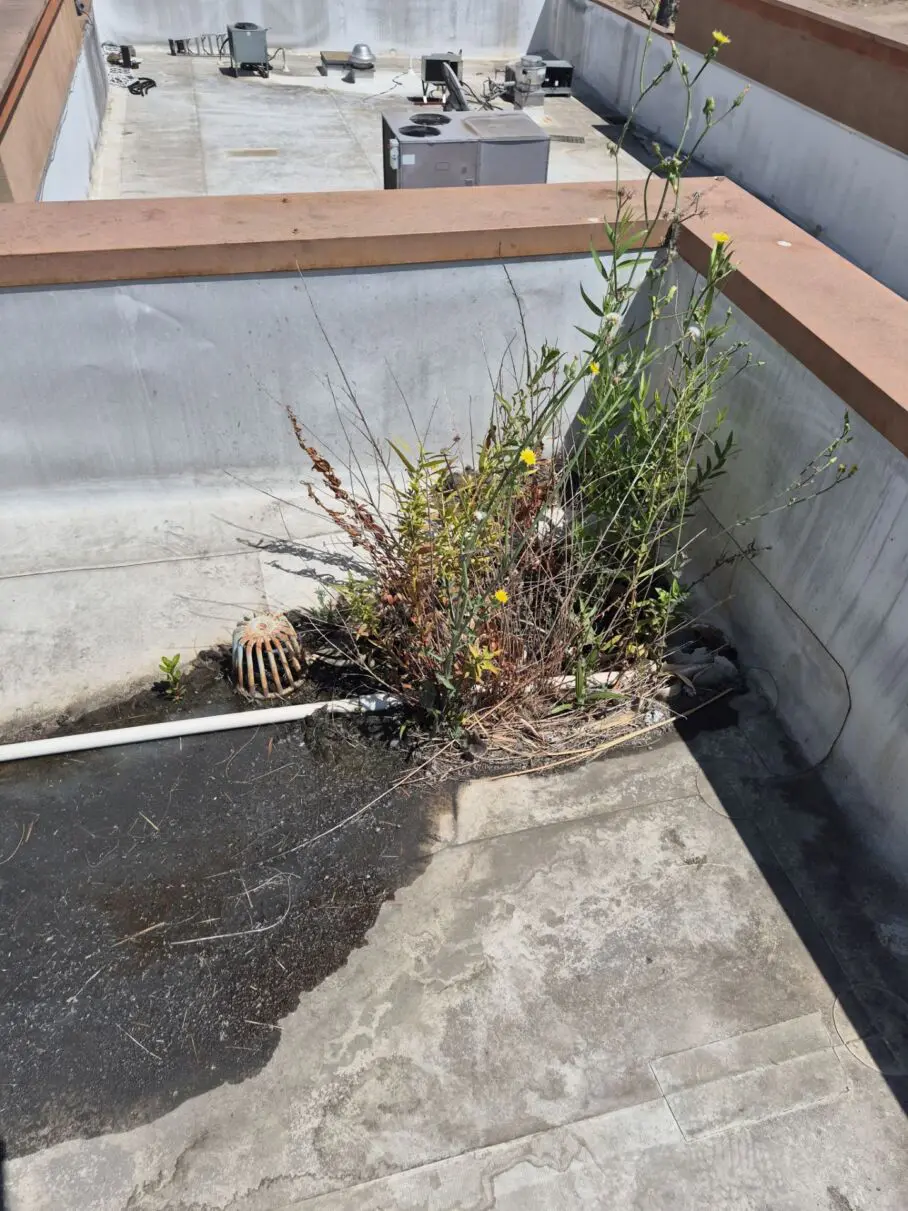
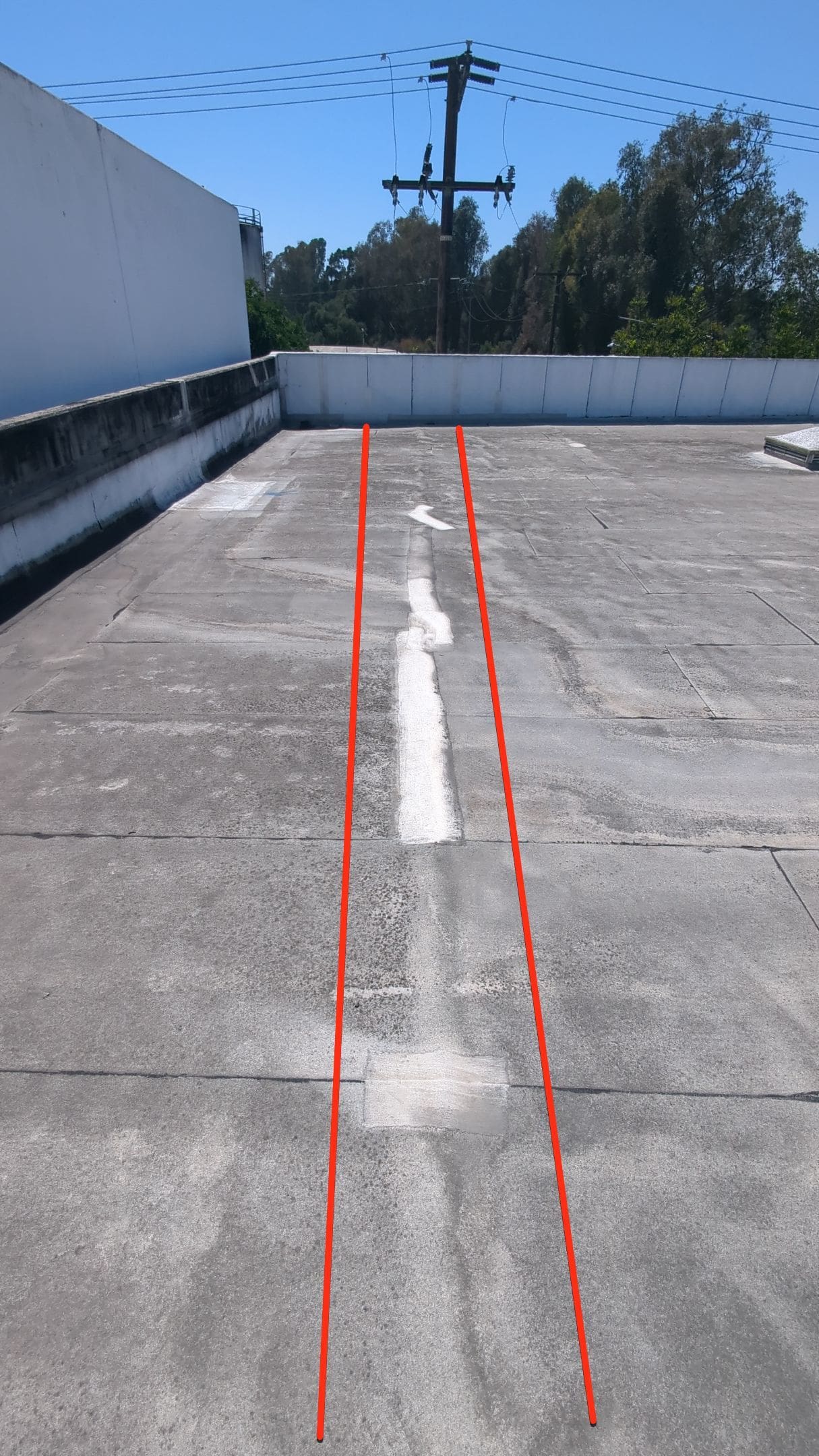
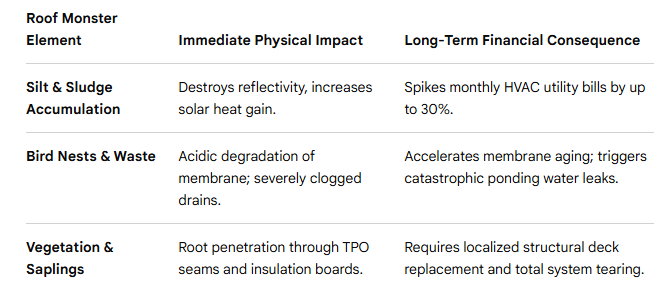
To breed a Sludge Demon, simply do nothing. Allow the seasonal rains to mix with this dust, creating a thick, nutrient-rich layer of mud. This sludge is excellent at trapping moisture against your white TPO membrane. By blocking the sun, it destroys the reflective, energy-saving properties of your cool roof. More importantly, it creates a perfect, damp bed of soil just waiting for airborne seeds to land.
Step 2: Establish “The Aviary of Ruin” (Bird Nests & Droppings)
Pigeons and seagulls are nature’s premier roof inspectors, and they love an unmaintained commercial facility. To encourage them to set up permanent residence:
- Leave standing water: Clogged drains create beautiful, scenic rooftop lakes perfect for bird baths.
- Ignore HVAC ledges: These provide excellent shelter from the elements.
As your avian colony grows, they will construct intricate nests out of twigs, trash, and wire. These nests quickly migrate into your drainage tracks, ensuring that the next downpour turns your roof into a literal swamp. Furthermore, bird droppings are highly acidic. Over time, this biological hazard will chemically eat through the sacrificial top layer of your TPO membrane, creating microscopic pathways for water to breach your building’s interior.
Step 3: Nurture “The Forest Overlord” (Saplings & Deep Roots)
Once your Sludge Demon has provided the soil and your Aviary of Ruin has provided the fertilizer, it is time for the crowning achievement of your rooftop oasis: The Forest Overlord.
Airborne seeds from local sycamores, palm trees, or invasive weeds will inevitably find their way into your rooftop soil. Before you know it, you will have miniature saplings sprouting proudly next to your commercial HVAC units. As these plants grow, their root systems act like biological drills. They will aggressively seek out moisture, punching straight through your TPO seams, punctures, and insulation layers. Congratulations! You now have a self-sustaining botanical garden, a collapsing deck, and a completely voided warranty.
Part 2: The Grim Reality of the “Roof Monster” Economy
While the idea of a rooftop jungle might sound amusing, the financial consequences are an absolute horror show for asset managers, CFOs, and building owners.
Why the “Oasis” Invalidates Your TPO Warranty
Commercial roofing warranties—whether a Material Warranty or a full No Dollar Limit (NDL) Warranty—are not unconditional safety nets. They are legal contracts that demand strict adherence to maintenance standards. Manufacturers like Carlisle, GAF, and Johns Manville explicitly state that their warranties do not cover damage caused by lack of maintenance.
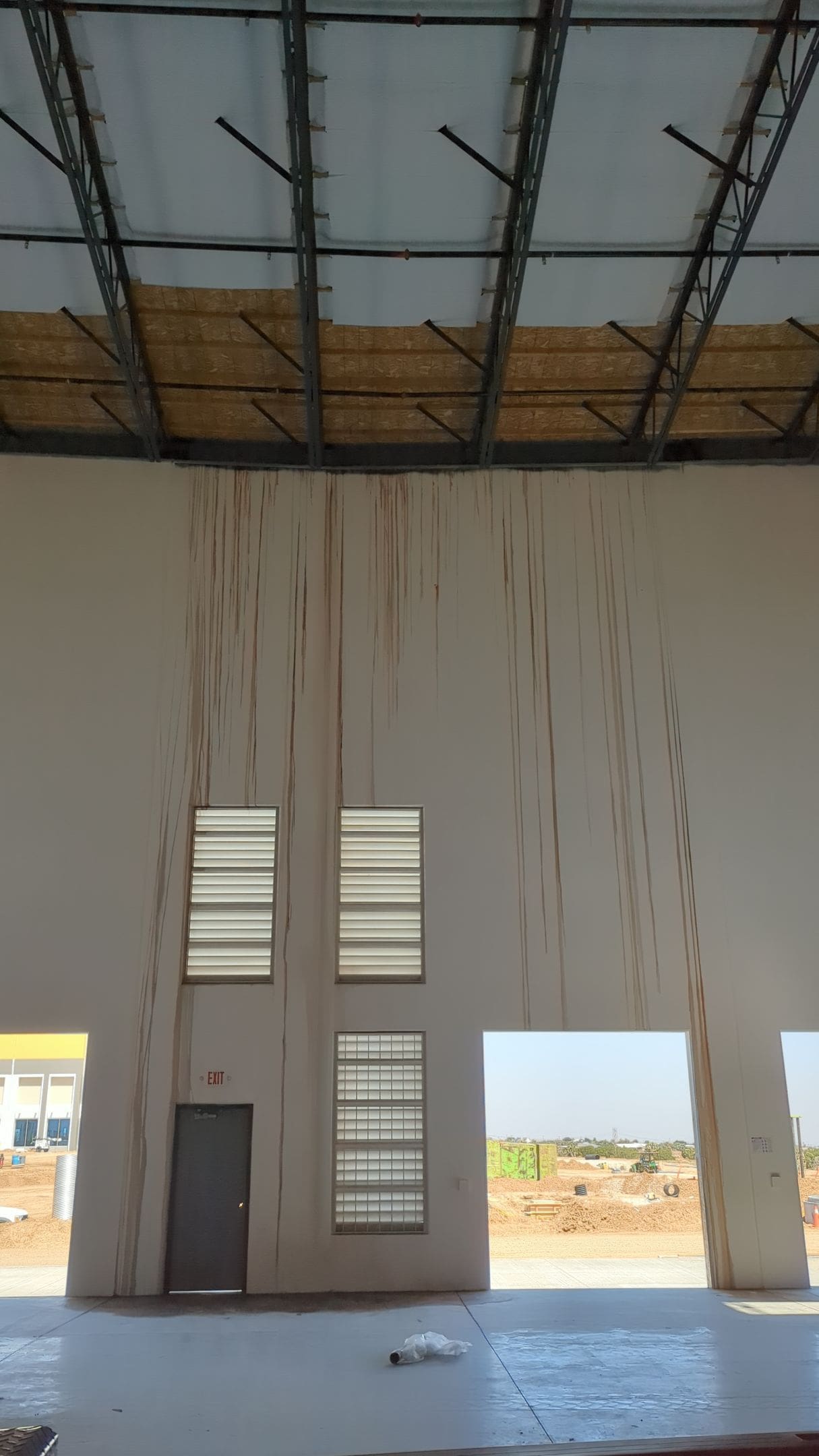
When a manufacturer’s technical representative steps onto a roof to inspect a leak and sees saplings, blocked drains, and pooling water, they will deny the claim instantly. You are left holding the bill for thousands of dollars in premature roof failure, interior structural damage, mold remediation, and tenant disruptions.
The True Cost of Neglect
TPO is favored for its durability, heat-reflective properties, and heat-welded seams. However, it is not invincible.
Take a look at the Roof Monster Elements with the Immediate Physical Impact, and Long-Term Financial Consequence…
- Debris Cleansing: All leaves, twigs, windblown trash, and biological matter must be physically removed from the membrane.
- Drainage Clearing: Scuppers, gutters, downspouts, and interior drains must be cleared of all blockages. Water must have an unimpeded path off the roof within 48 hours of a rain event.
- Professional TPO Washing: Periodically cleaning the TPO membrane with manufacturer-approved low-pressure wash systems removes the microscopic bio-films and dirt layers that degrade solar reflectivity.
- Heat-Welded Seams: Using a robotic or hand-held probing tool to check for seam voids, delamination, or cold welds where roots or water could breach.
- HVAC Curb Flashings: Ensuring that the vibrations from heavy commercial AC units have not cracked the sealant or backed out fasteners around the perimeter flashings.
- Pipe Boots and Pitch Pans: Inspecting the flexible targets where pipes penetrate the roof, replacing dried-out caulking with high-performance polyurethane or silicone sealants.
- Stainless Steel Bird Spikes: Installed along HVAC ledges, parapet walls, and conduit lines to prevent nesting.
- Ultrasonic and Visual Deterrents: Utilizing non-harmful audio frequencies or predatory hawk decoys to discourage birds from gathering.
- Wire Mesh Drain Guards: Installing heavy-duty domes over your roof drains to prevent birds from dropping nesting materials down the pipes.
See below what is included in each roof maintenance inspection and report and then click onto the schedule page link to get your commercial roof(s) assessed. This is not a simple inspection. It’s a very comprehensive assessment and report.
Membrane Integrity Analysis: Identify seam failures, punctures, blistering, weathering, and membrane deterioration before they become leaks.
Roof Surface & Substrate Assessment: Evaluate the roof surface for soft areas, ponding water, localized deflection, deteriorated insulation, and other visible conditions that may indicate underlying roofing deficiencies.
Flashing & Perimeter Inspection: Inspect parapet walls, coping, counterflashing, expansion joints, and termination points—the most common sources of roof leaks.
Rooftop Equipment & Penetration Review: Evaluate HVAC curbs, pipes, vents, skylights, and equipment flashings to help ensure the building envelope remains watertight.
Drainage Performance Assessment: Inspect drains, scuppers, gutters, overflow systems, and roof slope to identify ponding conditions and drainage deficiencies that accelerate roof deterioration.
Roof System Performance Evaluation: Assess the overall condition of the roofing system, including weathering, aging, previous repairs, and maintenance history to estimate remaining service life and identify opportunities to improve long-term roof performance.
It also includes the following eightfold comprehensive report:
Comprehensive roof condition report
High-resolution annotated photographs
Documented deficiencies and observations
Recommended corrective actions
Estimated roof service life
Repair priority ranking
Capital Planning Assistance: We will build you a multi-year budget forecast for your roof, making it easy for you to present funding requests to executives or board members
Proactive Maintenance Program: A complimentary first year of preventative maintenance for multi-year service agreement program enrollees
Disclaimer: Keep in mind with these assessments, they consist of a visual inspection of accessible roof areas and is intended to evaluate the observable condition of the roofing system. It is not a structural engineering evaluation or an invasive investigation. Conditions concealed within the roof assembly or building structure may require additional evaluation by the appropriate design professional.
If you’d like to get on our schedule click HERE and it will take you to our 6-Point Commercial Roof Asset Preservation and Compliance Assessment + Report schedule page.
The schedule page is quick and simple. However, if you need clarification or would like to speak with a real person, you can reach me directly:
David Price, VP of Sales & Marketing
Call or text: 951.530.0881
Email: david@saddlebackroofing.com
Schedule Your
Free 6-Point
Commercial Roof Asset Preservation
and Compliance Assessment + Report
Prevent Failures Before They Disrupt Your Business!
Email: info@saddlebackroofing.com
Phone: (833) 766-3012
This offer is LIMITED to schedule availability
***(Normally $1,450) Available inspection spots are filling up quickly